The Role of AS9100 Certification in Aerospace Manufacturing
Understanding AS9100 Certification in Aerospace Manufacturing
Overview of AS9100 and Its Importance
AS9100 certification plays a crucial role in the aerospace manufacturing sector, establishing a robust framework for quality management. This certification specifies requirements for a quality management system (QMS) tailored for organizations involved in aerospace and defense sectors. It emphasizes risk management and quality assurance, ensuring products meet stringent regulatory demands. The aerospace industry operates in a high-stakes environment where safety and reliability are paramount. Achieving AS9100 certification signifies that a manufacturer adheres to internationally recognized standards, enhancing their reputation and trust among customers. This certification not only fosters process improvement but also drives innovation, paving the way for advancements in aerospace technologies and manufacturing practices.
Key Differences Between AS9100 and ISO 9001
While AS9100 and ISO 9001 share foundational principles of quality management, AS9100 encompasses additional requirements that cater specifically to the aerospace context. ISO 9001 provides a general framework applicable across various industries, focusing on quality management and customer satisfaction. In contrast, AS9100 includes specific criteria on risk management, configuration management, and product safety, which are vital for aerospace manufacturers. The certification process demands rigorous evaluations and audits, ensuring compliance with both AS9100 Rev D and later revisions. This focus on aerospace-specific regulations makes AS9100 a more comprehensive standard for organizations aiming to excel in the aerospace manufacturing sector.
The Evolution of AS9100: From Rev D to Current Standards
AS9100 has undergone significant evolution since its inception, reflecting the dynamic nature of the aerospace industry. The transition from AS9100 Rev D to the current standards highlights a commitment to continuous improvement and adaptation to industry needs. Each revision incorporates feedback from stakeholders, addressing emerging technologies and methodologies in aerospace manufacturing. The latest versions emphasize risk-based thinking, ensuring that organizations proactively identify and mitigate potential issues throughout the production process. As aerospace technologies advance, AS9100 remains a vital benchmark for ensuring quality and compliance, ultimately enhancing the safety and reliability of aerospace products.
The Impact of AS9100 Certification on Aerospace Machining
Quality Assurance and Control in CNC Machining
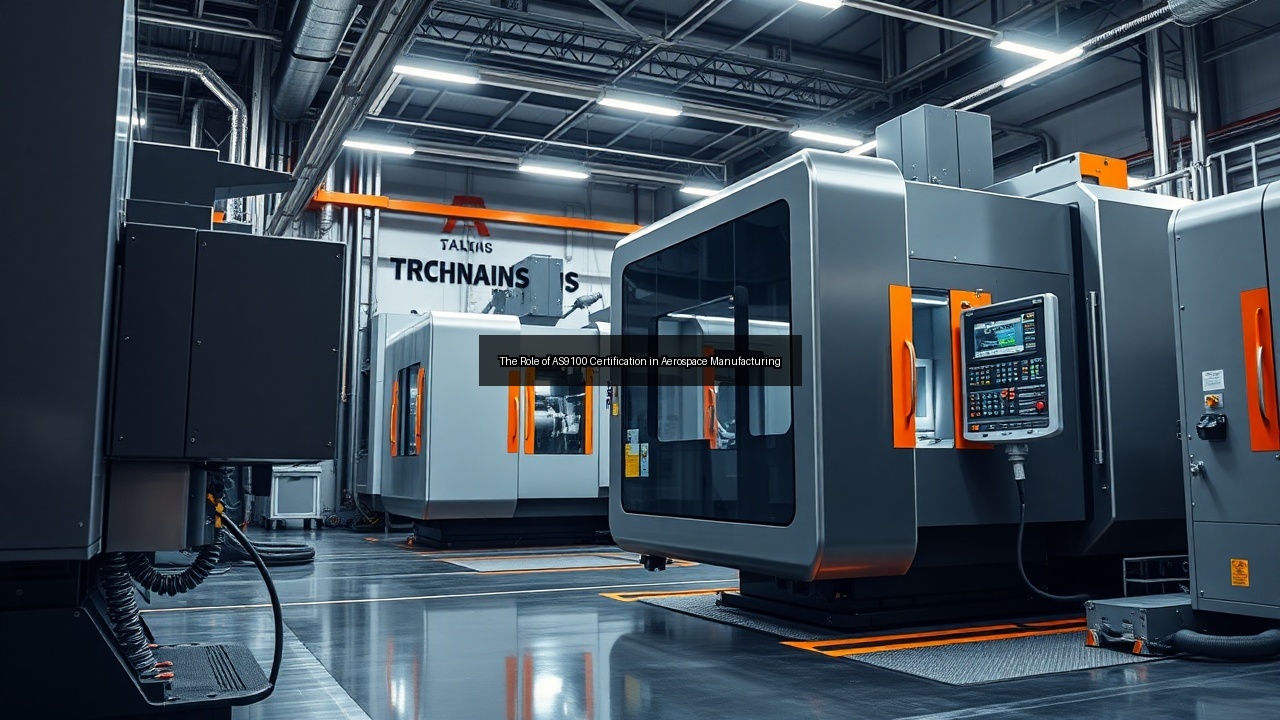
AS9100 certification significantly enhances quality assurance and control in CNC machining processes. Aerospace manufacturers rely on CNC (Computer Numerical Control) technology for precision machining of components, where even the slightest deviation can lead to catastrophic failures. By adhering to AS9100 standards, manufacturers implement rigorous quality control measures that monitor every stage of production. These measures include detailed documentation, regular audits, and employee training, ensuring that all machining operations comply with the highest standards of precision and safety. The emphasis on quality assurance not only promotes compliance with regulatory requirements but also instills confidence in customers regarding the reliability of machined parts, such as turbine blades and structural components for aircraft.
Role of AS9100 in Metal Fabrication Processes
Metal fabrication is a critical aspect of aerospace manufacturing, and AS9100 certification plays a vital role in ensuring the integrity of these processes. Aerospace AS9100 machining manufacturers often work with materials like stainless steel, titanium, and aluminum alloys, each with unique properties that require specialized handling and processing techniques. AS9100 standards provide guidelines for managing the complexities of metal fabrication, from welding and machining to assembly and finishing. By incorporating quality management principles, manufacturers can enhance their fabrication capabilities, minimize waste, and improve overall efficiency. This commitment to quality not only meets customer expectations but also aligns with the stringent requirements of the aerospace industry, making AS9100 certification a fundamental asset for manufacturers.
Innovations in Aerospace Manufacturing Technologies
AS9100 certification drives innovation in aerospace manufacturing technologies, encouraging organizations to adopt cutting-edge practices that enhance efficiency and product quality. The certification's focus on continuous improvement inspires manufacturers to explore advancements in areas such as additive manufacturing, automation, and advanced materials. For instance, the integration of 3D printing technologies allows for the production of complex components that traditional machining methods cannot achieve. Similarly, advancements in automation streamline machining processes, reducing lead times and increasing output. These innovations not only meet the demands of modern aerospace design but also align with AS9100's commitment to quality assurance and process optimization, positioning certified manufacturers as leaders in the competitive aerospace landscape.
Challenges and Benefits for Aerospace Manufacturers
Supply Chain Management and AS9100 Compliance
Effective supply chain management is crucial for aerospace manufacturers, and AS9100 certification provides a framework to enhance compliance throughout the supply chain. The aerospace industry often involves complex supply chains with numerous stakeholders, each responsible for various components and processes. AS9100 emphasizes the importance of supplier evaluation and monitoring to ensure that all parts meet quality standards. Manufacturers must establish clear criteria for selecting and assessing suppliers, fostering collaboration and transparency. Challenges arise when managing relationships with suppliers, particularly when ensuring adherence to quality standards and regulations like ITAR (International Traffic in Arms Regulations). However, the benefits of AS9100 compliance include reduced risk of non-conformities, improved product quality, and enhanced customer satisfaction, making it a valuable investment for aerospace manufacturers.
Leadership and Management Strategies for Certification
Leadership plays a pivotal role in achieving and maintaining AS9100 certification in aerospace manufacturing. Effective management strategies involve fostering a culture of quality and continuous improvement throughout the organization. Leaders must engage employees at all levels, promoting awareness of quality standards and the importance of compliance. Training programs and workshops can enhance employee skills, ensuring they understand their roles in the quality management system. Additionally, leadership must prioritize regular internal audits and management reviews to assess compliance with AS9100 standards. By embracing a proactive approach to quality management, aerospace manufacturers can navigate challenges more effectively, driving innovation and operational excellence.
Evaluation Criteria for AS9100 Certification in Aerospace
The evaluation criteria for AS9100 certification in aerospace manufacturing are comprehensive and designed to ensure organizations meet robust quality management expectations. Certification bodies assess various elements, including documentation practices, process controls, and employee competency. Companies must demonstrate their ability to consistently deliver products that meet customer and regulatory requirements. This evaluation includes an examination of internal audit processes, management reviews, and corrective actions taken in response to non-conformities. Meeting these criteria not only secures certification but also enhances organizational credibility in the aerospace industry. Ultimately, the rigorous evaluation process fosters a culture of quality that permeates every aspect of aerospace manufacturing.
Future Trends in Aerospace Manufacturing and AS9100
Integration of Advanced Materials: Titanium and Aluminum Alloys
The aerospace industry increasingly embraces advanced materials such as titanium and aluminum alloys, which offer significant advantages in performance and weight reduction. AS9100 certification supports the integration of these materials by establishing quality management processes that ensure compliance with manufacturing standards. Titanium, known for its strength-to-weight ratio, is critical in aerospace applications, particularly in components subjected to extreme conditions. Similarly, aluminum alloys provide excellent corrosion resistance and lightweight properties, making them ideal for aircraft structures. By adhering to AS9100 standards, manufacturers can effectively manage the complexities of working with these advanced materials, ensuring high-quality production while meeting customer expectations.
Sustainability Practices in the Aerospace Industry
Sustainability has become a focal point for the aerospace industry, driven by the need to reduce environmental impacts and promote responsible manufacturing practices. AS9100 certification aligns with sustainability initiatives by encouraging organizations to implement efficient processes and minimize waste. Aerospace manufacturers are exploring eco-friendly materials, energy-efficient technologies, and waste-reduction strategies to enhance their sustainability profile. This commitment not only meets regulatory requirements but also resonates with customers who prioritize environmentally responsible practices. AS9100-certified AS9100 machined companies can leverage their commitment to sustainability as a competitive advantage, attracting clients who value eco-conscious manufacturing in the aerospace sector.
The Role of AS9100 in Military and Satellite Manufacturing
AS9100 certification holds particular significance in military and satellite manufacturing, where precision and reliability are paramount. The unique challenges of producing components for defense and space applications necessitate adherence to stringent quality standards. AS9100 ensures that manufacturers implement robust quality management practices, focusing on risk assessment, safety, and traceability. This certification enhances the credibility of manufacturers in the military domain, as compliance with AS9100 standards demonstrates a commitment to excellence. In satellite manufacturing, where failure can result in substantial financial losses and operational setbacks, AS9100 certification provides assurance that products meet the highest quality standards, essential for mission success.
See Also
- How AS9100 Certification Enhances Supply Chain Management
- Machining Titanium for the Aerospace Industry Under AS9100 Standards
- Sheet Metal Fabrication Techniques in AS9100 Certified Environments
- Innovative Technologies Driving AS9100 Machining Forward
- Evaluating Manufacturers: What to Look for in AS9100 Compliance